

Fancy Wearing Yellow This Spring? Here’s How to Make It Work for You

Yellow is everywhere this spring — a quick search online and you’re met with hundreds of options.

It can feel a bit overwhelming, or tempting to just buy something for the sake of it… but that’s often where things don’t quite work once you get it home. And yellow is one of those colours that can feel a bit tricky to wear. More often than not, it’s not that it doesn’t suit you — it’s just that you haven’t quite found the right version of it.

Why yellow feels tricky to wear

If you’ve ever tried yellow and felt like it didn’t quite work for you, you’re not alone.

Yellow is one of those colours that doesn’t behave like many others. The wrong tone can easily feel too harsh, too pale, or just a little off against your natural colouring. It’s often not about whether you can wear yellow, but about finding the right version for you.

Once you start looking at undertone, depth and clarity rather than just “yellow or not yellow”, it becomes much easier to see why some versions work and others don’t.

How to find the right yellow for you

This is where colour really starts to make sense.

Using a tonal approach, it’s less about the idea of “yellow” in general and more about the specific characteristics of the shade – how light or deep it is, how soft or clear it appears, and how much warmth it has.

Those small differences completely change how a colour sits against your natural features. When you start matching these elements to your own colouring, it becomes much easier to navigate colour in general. And, you’ll often find there is a version that works, even if you’ve previously ruled it out.

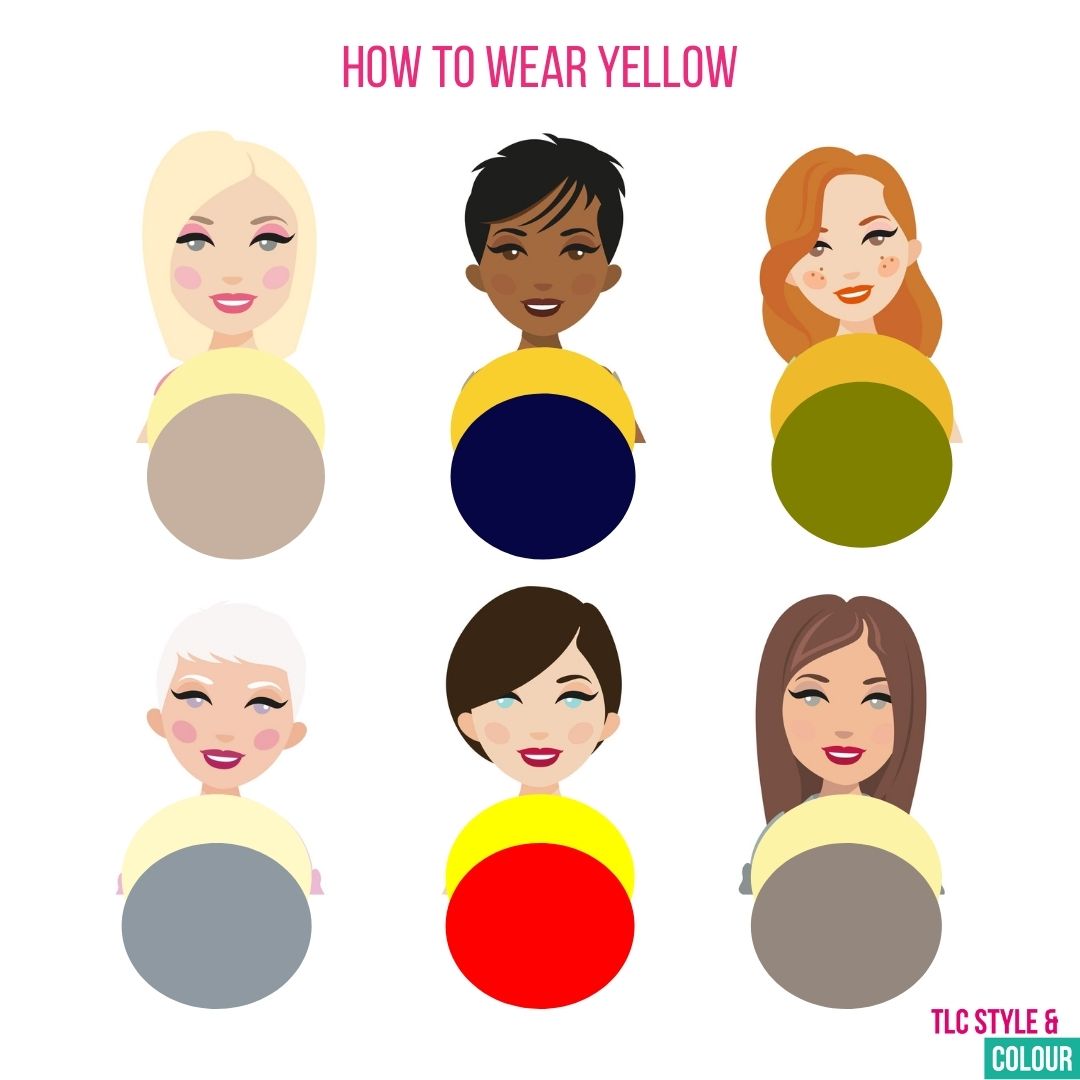
I’ve put together some spring colour combinations for each tonal colour type below:
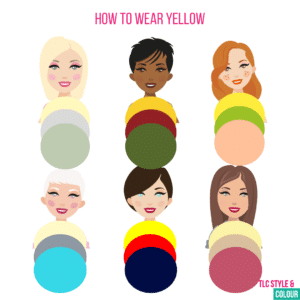
Lights: Match your light and delicate look by wearing similar light and pale shades. Avoid bright or rich colours and high contrasting combinations. If you have a warm undertone as a secondary characteristic, you may find yellow easier to wear.

Deeps: Your look is strong and rich so aim to add depth to your yellows and combinations. Unless in a rich pattern, avoid pale and pastel tones on their own. If you have a cool undertone as a secondary characteristic, yellow will feel harder to wear on its own.

Warms: Many shades of yellow suit you! Combine them with other yellow-based tones for maximum impact.

Cools: Not an easy choice for you so opt for as icy as you can and add cooler tones for contrast.

Clears: Opt for bright, vibrant colours and pair with darker shades or other brights. If you have a warm undertone as a secondary characteristic, you may find yellows much easier to wear.

Softs: As your look is more blended, the same can be said of your colours. Even though it’s not in your swatches, a yellow which looks like it has been faded by the sun will work. Muted tones in combination create a chic look. If you have a cool undertone as a secondary characteristic, yellow will feel harder to wear – try it in a soft pattern.

Ways to wear yellow this spring

If you’re still not quite sure where to start, or you simply can’t find the right version for you this season, here are a few simple ways to bring it into your wardrobe without overthinking it.

If you prefer to watch, I’ve also recorded a 5 minute video on YouTube with four ways to wear yellow – watch it here.

1. Accessories – A scarf, bag, shoes, a hat or a bit of jewellery is such an easy way to introduce yellow without committing to a full outfit. This can be particularly useful if you’re struggling to find a version that works for you.

2. Combinations – Sometimes, the easiest way to break a colour up or change the impact is to pair it with other colours. I’ve shared some combinations for the core tonal colour types above for inspiration. You can also pair it with a neutral like navy, white, greys, browns and denim – it can help to balance the colour and make it feel more wearable.

3. Prints – Opting for yellow in a print or pattern can really soften the overall look to feel less overwhelming. It can be a particularly clever way of breaking the colour up and creating contrast or muted tones.

4. Placement – Where you wear a colour can also be relevant. If yellow near your face feels too much, try it on your bottom half – skirts and trousers can still give you a seasonal lift and be less impactful.

Spring trends (and making them work for you)

There are a variety of yellows in the shops this spring, but not every one will be right for you. Use these tips to make yellow work for you this season and, if you want more specific guidance on the key colours to suit you, explore my Seasonal Updates. I’ve featured seven key colours for each colour type in my Colour Trend Guide (available as part of my Seasonal Updates), which fits inside your colour swatch wallet. Browse the resources here.

With a few small tweaks and a better understanding of what works for your colouring, this season’s trending colours can be an easy way to freshen your wardrobe.

During my Colour Analysis Consultation, your individual characteristics are assessed to establish the shades that suit you best and how to wear them confidently. If you’re unsure what works for you – get clarity by booking a consultation. Gift vouchers are available, or you can come with a friend.
Not sure about your best shades of colour and how to wear them?

Spring colours – how to wear yellow

I’ve been talking about colour and style trends lately as April is the month I introduce my seasonal updates. You can find more details here. Invariably, yellow always comes up as a discussion point.

Usually in spring, we see more yellow in the shops – perhaps because the sunshine and better weather is on the way.

I’m often asked how to pick the right shade of yellow and to wear it successfully which is the subject of this blog.

Different shades

If you haven’t had a colour analysis consultation then it can be much harder to get this right. You might have very little colour in your wardrobe or find it difficult to identify if a colour suits you or not. Try and experiment with different colours to identify the shades of colour that appear to light up your face (making you look brighter), and those that appear to dull or cast shadows onto your features (making you look tired or unwell).

When you’ve had your colouring type analysed, this task is much easier for you! You know your best shades of colour and you’ve got your own coloured swatches to refer to. These are a helpful guide when shopping but, bear in mind that fashion houses will create different dyes and mixtures. You may have even created your own colour if you regularly dye your own clothes! (visit this blog for my own colour experiment).

There’s never just one shade of a colour. Think of yellows and I’m sure you can think of two or three different shades; daffodil yellow, sunshine yellow and ice-cream vanilla immediately spring to my mind. Not every shade of yellow will look great on you. Just like every shade of blue, red or purple will.

If you’ve read this blog about colour analysis, I refer to an artist called Alfred Munsell. His system of colour categories helps to identify and describe colours and that there is more to colour than just, well, the colour.

Think about how you’d describe your features and how you describe colours. What are the words you use? This can help you focus on finding and identifying the right colour or combination of colours to wear.

For each core colouring type I’ve detailed some brief guidelines on choosing and wearing the shade of yellow which will compliment you the best.

Colouring types and combinations

how to wear yellowLights: Keep your look light and delicate wearing with similar light and pale shades. Think light primrose or buttermilk and wear with taupe. Try and avoid overpowering colours and high contrasting combinations. If you have a warm undertone then you may find yellow easier to wear.
Deeps: Your look is strong so make sure you add depth with your yellow such as a daffodil or ochre. Wear with a richer shade like navy to create some contrast and depth.

Warms: You suit many shades of yellow and will be one of the easiest colours to wear. Think mustard or primrose and wear with olive.

Cools: This won’t be a natural or easy choice as yellow undertones aren’t as flattering for you. Opt for an icy yellow with an element of coolness and wear with contrasting shades like grey. You may find it easier to wear away from the face so it’s not directly reflecting up onto your features.

Clears: You’ll always look your best in bright, vibrant colours so think canary yellow and team with strong, contrasting shades like red.

Softs: As your look is more softened, the same can be said of your colours. A yellow which looks like it has been faded by the sun will work even though it’s not in your swatches. Wear your colours tonally with similar mid-tone depth of shades like pewter. And, if you find it tricky, wear it away from your face.

I have previously recorded videos on how to wear colour including yellow. You can visit it here.

Knowing your colours

Understanding how certain colours and combinations make you look tired, pale or unwell whilst others make you look vibrant, healthy and younger can take time to establish. It’s often tweaking to a different shade of colour to suit you better.

When you have ‘your colours done’, you’ll gain a greater understanding and how to wear colour. By gaining this knowledge, it will help you to build a colourful, coordinated wardrobe which can be mixed and matched easily.

It really is life-changing so if you would like to book an appointment, get in touch with me: Toni.carver@tlcstyleandcolour.co.uk or schedule a call with me using the link at the bottom of the page.

How to wear yellow

As an image consultant, the number one thing I hear from potential clients is “oh, I’d love to wear more colour, I just don’t know what suits me”.

There are many reasons why people feel this way:
– the fashion world is obsessed with black
– there’s actually more than one shade of a colour

However, everyone CAN wear colour and with a little knowledge, everyone can learn how to choose and wear the right shades which suit them. Even if you feel that you don’t have the confidence to wear colour, you can still introduce it and build up to what you’re comfortable with.

You’d be surprised at the difference that colour can have on your mood (see our previous blog here). I believe that everyone should feel good in what they wear.

How to wear colour

Let’s talk about the colour yellow.

It can be a really tricky colour to wear. Some people will suit it far more than others but, as with all colours, there is a shade for you.

For those of you who have previously had a colour analysis consultation, your colour swatch wallet is the best place to guide you and remind you of your best shades and the top tips on how to wear colours that would suit you best. Your colouring type will also be noted on the bottom of the card and fabric inserts. Get in touch if you need more help.

If you’ve never had your colours done, these celebrity examples demonstrate how different shades of yellow compliment their physical features the best.

Lights: Reece Witherspoon – Don’t overpower your colouring, wear with light or mid tone neutrals such as taupe and avoid too much contrast. Try Buttermilk.

Deeps: Michelle Obama – Wear with navy or charcoal to create as much contrast as possible. Avoid mixing two pale shades together. Try Daffodil.

Warms: Nicola Roberts – You’ll look amazing if you combine the shade such as mustard with either olive or golden brown.

Cools : Jamie Lee Curtis – Avoid any ‘warm’ tones. Any yellow is best worn away from the face. Mix with navy or any of your greys. Try Icy Lemon.

Clears: Zooey Deschanel – The brighter and clearer the better for you! Citron worn with either light, bright or dark shades.

Softs: Kate Winslet – A tonal combination can look so elegant on you. educe the contrast feel by teaming soft yellows like buttermilk with stone, pewter and grey.

Other colours will be covered in future blog posts, so be sure to check them out.

There is also a series of videos which you can watch here. 

If you’d like to learn what shades of colour suit you, book a colour analysis consultation. Both online (virtual) and face to face sessions are available. No appointments for face to face sessions are being taken until July at the earliest.